
Small Doors
Doors can lead us outside the confines of our own “spaces”—both physically and metaphorically. They’re an invitation to go somewhere different, see something new—take a breath of fresh air and get an alternative perspective.
Metaphorically, big doors are easy to spot. They announce themselves and invite you to go through them. I’m thinking about large, external things that we believe will be life changing. Maybe it’s a career, a course of study, a philosophy, a religion, a relationship, an adventure, retirement, or a spiritual quest. Big doors often come with their own set of assumptions and philosophies. Whether you walk through these doors or not is up to you, and if you’re having trouble deciding, you might need to find and open a few other doors first.
In my own life, I’ve often gone through big doors—choosing paths that I believed would have a huge impact. But when I look back, I realize that often, they didn’t. And the biggest insights came from noticing and opening small doors.
Small doors are easy to miss. An offhand comment that somehow gets to the heart of the matter. An observation about yourself that reveals something so absurd that you just have to laugh. A line from a movie, song, or piece of writing that speaks volumes to your soul. A myth or fairy tale that parallels your life. Small doors softly nudge us to consider another way of thinking, another way of feeling. But, unlike big doors, they rarely announce a change, or tell how to think or feel. They sneak up on you.
Sometimes, when you’re feeling stuck and you need a way out—it’s hard to find a small door. I like to think of my work as a Jungian coach as offering my clients a small door, and inviting them to open it up and take a peek beyond it. Those doors usually take the form of questions.
I like the small doors. They give us little glimpses that can have big impacts.
But you have to find them. And open them. And at least look at what’s behind them.
This blog is about noticing something small that serves as a lever to a big realization that can lead to lasting change of perspective. What are your small doors?
Note: I often travel with my “sister from a different mister,” Liz King. She’s obsessed with doors and we take pictures of interesting ones we see. Most of the images of doors on this blog can be attributed to her.
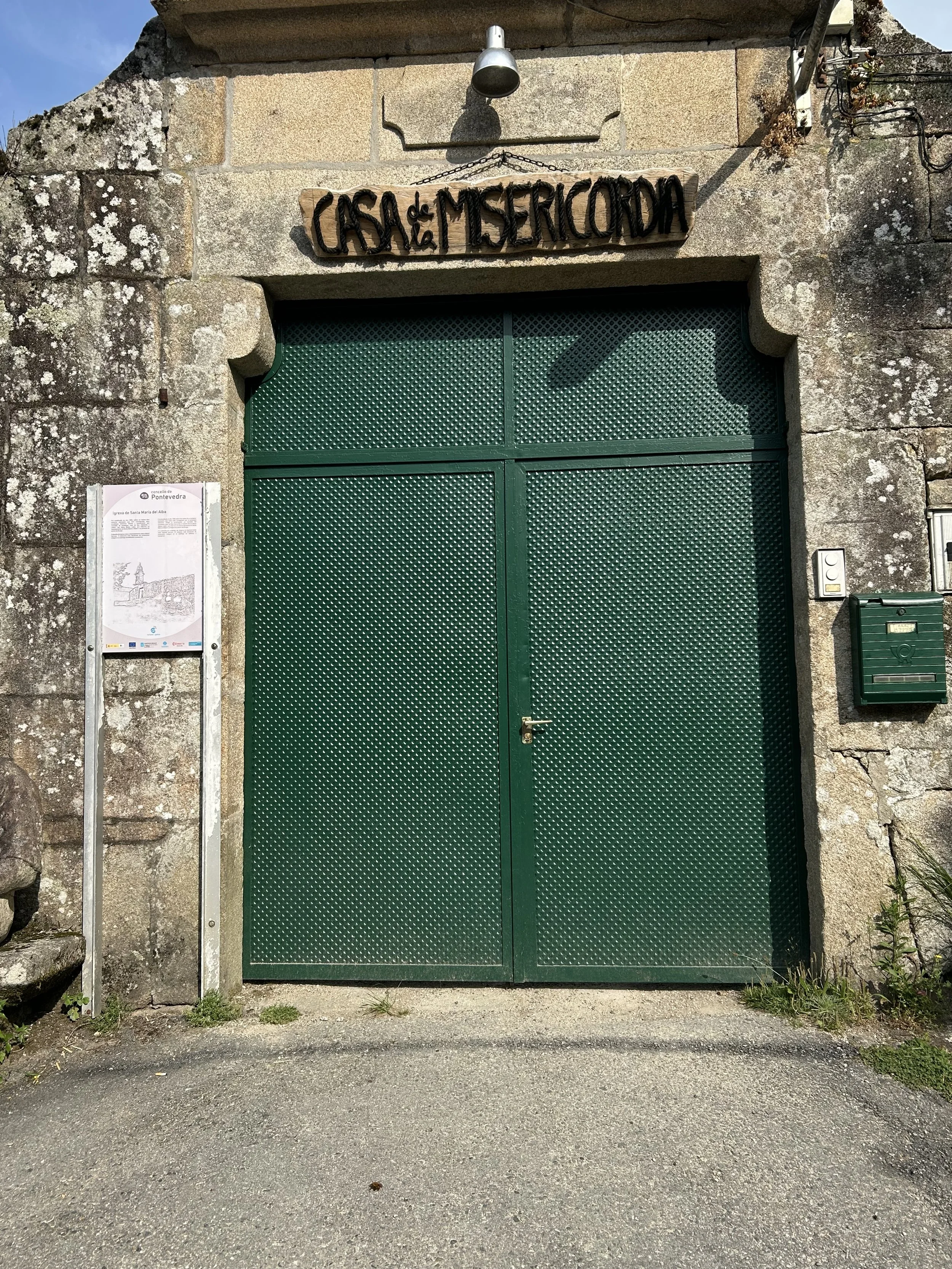
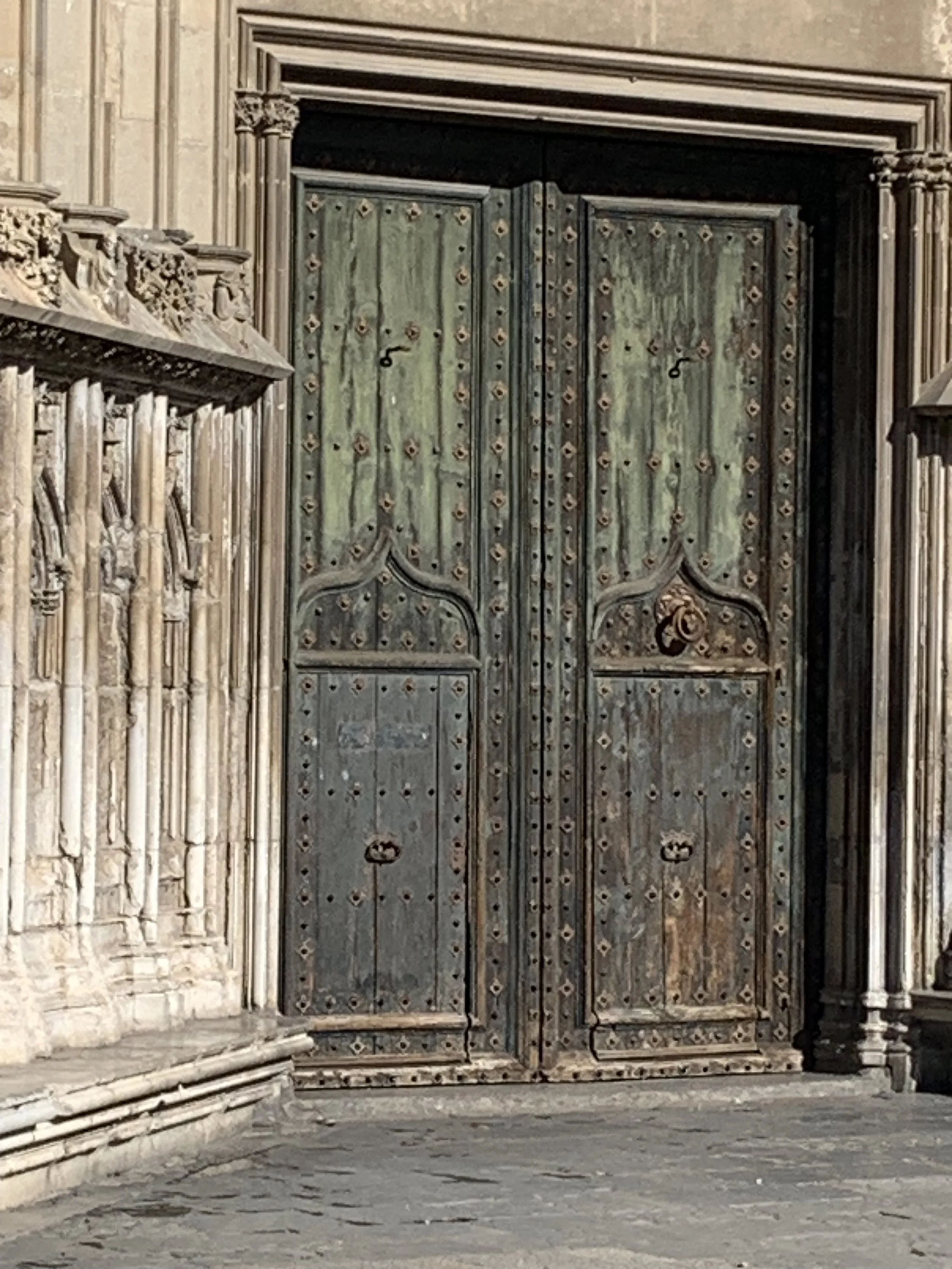
I don’t remember the location of each of the doors appearing on this blog, but the one above, to a church called Casa da Misericórdia (House of Mercy) on the Camino Portuguese, brought us to a very profound experience.
Anyway, thanks, Liz, for helping me pay attention to doors!
Did Peter Pan ruin my life?
I didn't simply identify with Wendy. I unconsciously rewrote Wendy into someone who mirrored my own inner narrative. WTF?!
How can Tarot predict the future?
I first became interested in Tarot cards when I was in high school, before I ever heard of Jung. The deck I have now—a Rider-Waite deck—is the same one I had then, but the way I use them has changed.
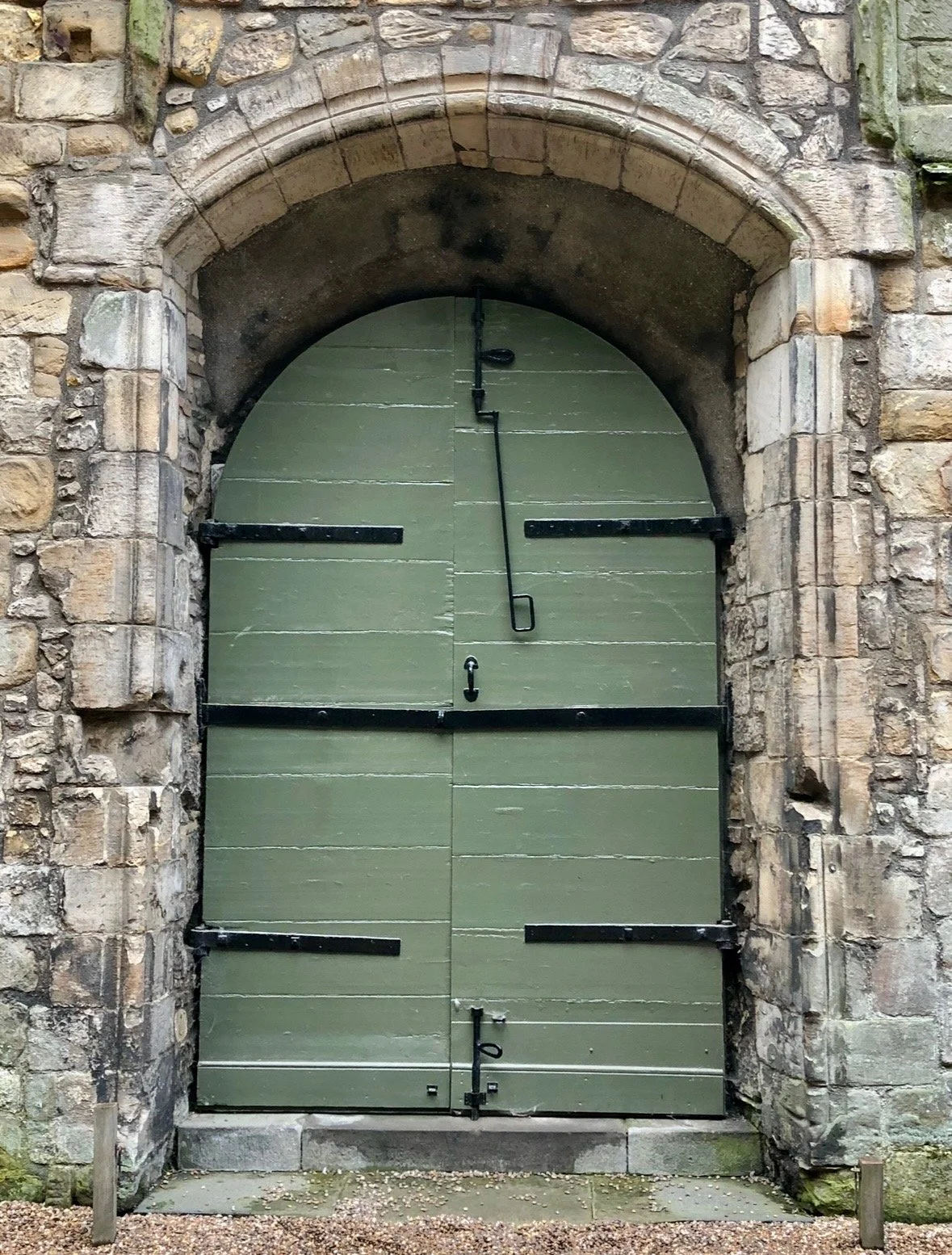
How could I have been such a fool?
As Sallie Nichols says, “The Fool can burst unexpectedly into our personal lives with the result that, despite all conscious intentions, we end up playing the fool ourselves.” And, often, more than a few times.
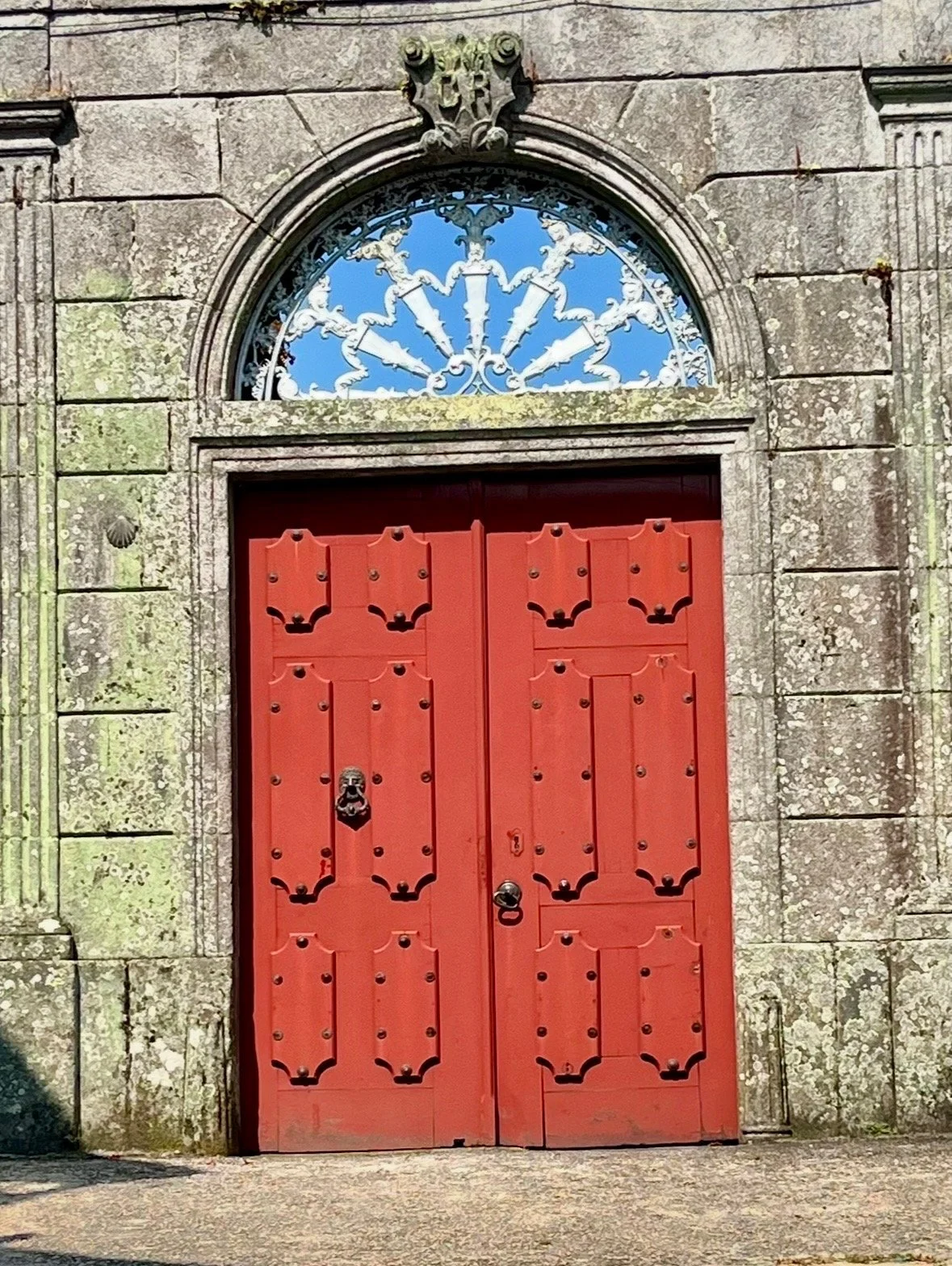
What’s so wrong about being wrong?
Why are we so afraid to be wrong? What’s the worst that could happen?
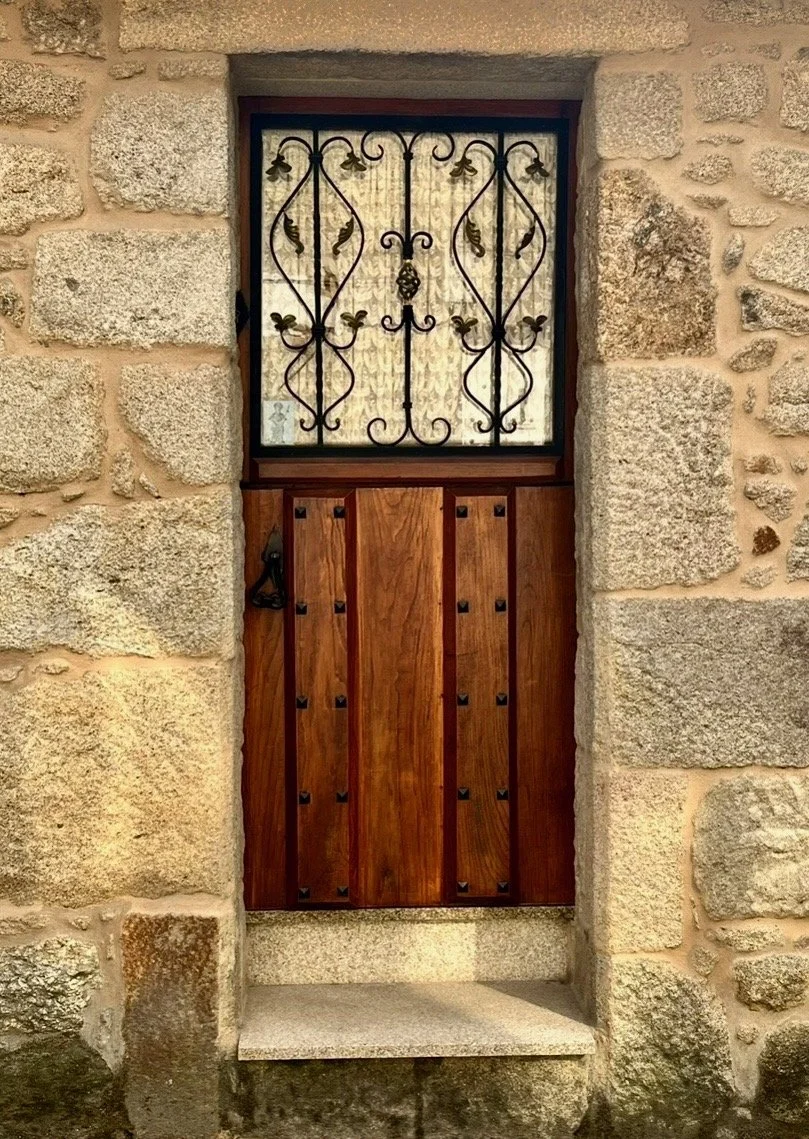
What’s wrong with questions?
When you don’t know anything…how do you know what questions to ask? You don’t…but ask anyway.
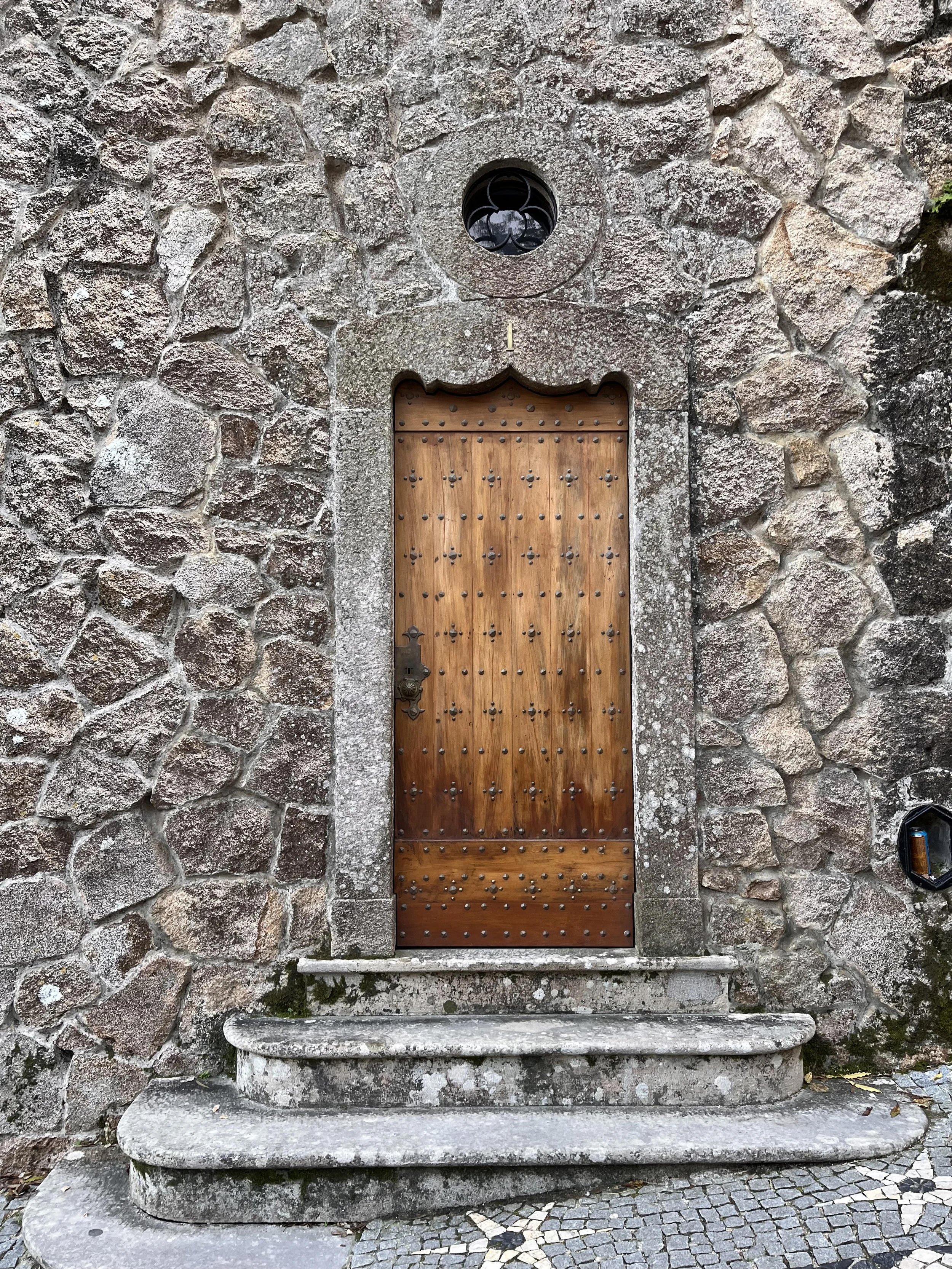
Why not?
For as long as I can remember, I was on a “quest.” I think a lot of people are. And sometimes the insight we’re looking for shows up when you least expect it.
Well, how did you get here?
If you’re over 35, chances are you’re beginning to face the questions that start nagging at us in midlife. And no, midlife doesn’t start at 60. 😉